

What is first? Addressing global warming or keeping pre-existing economic models?
While climate change is in everyone's mind, perhaps not everyone understands its urgency. Worse still, some may prefer to disbelieve in order to continue implementing economic models that generate employment, but are not sustainable.
The situation is serious. The World Bank has warned that if immediate action is not taken, the consequences of global warming could make 100 million people poor by 2030.
Unlike 30 years ago, when the first questions about the unfavorable effects of industrialization on the environment began, today we have technological, economic and social tools to measure impact, have reliable and clear data, and take action to either reverse the damage, or, at least, prevent it from getting worse.
If the issue is so serious, why do powerful countries like the United States go against global efforts to reduce emissions and activate sustainable economies? Luis Aguirre, President and CEO of Green Momentum, believes that "slowing down climate change means undoing or changing the current economic model of countries". According to Donald Trump himself, the Paris Agreement (of which he cancelled his participation) punished the United States and would cost them millions of jobs. But Aguirre points out that in fact, for any government, even for those who do commit to such agreements, the challenge is enormous.
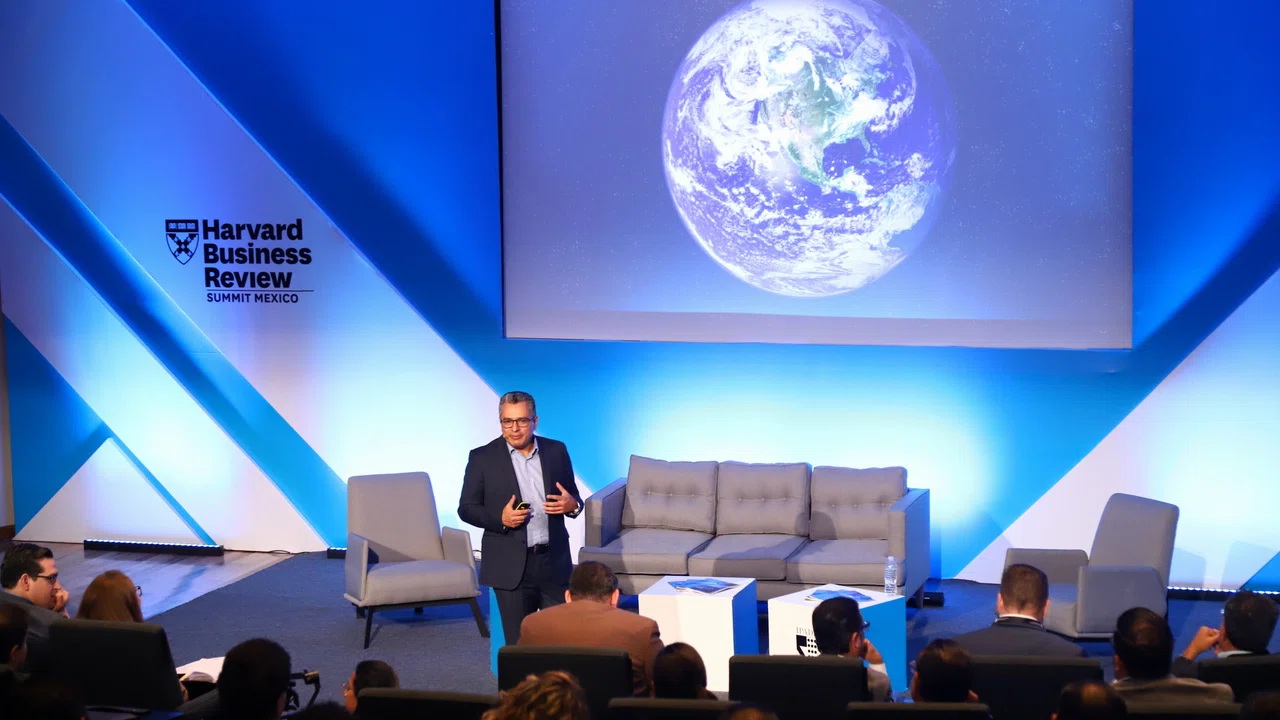
So what's the solution? According to Aguirre, the answer lies in cooperation within and outside governments, "you have to have a viable public plan to reduce emissions without drastically affecting the way we all live. And every organization, public or private, must begin to make important, and some very difficult, decisions. As daunting as it may sound, the companies that have already made these decisions and set them in motion for the benefit of the environment are going up the stock market.
A clear example is IKEA with its Better World Starts at Home campaign. The message is that every change, no matter how small, can make a difference towards a more sustainable world. IKEA has invested €600 million in renewable energy to produce its products from 2020. Most importantly, their Standard Supplier Code of Conduct imposes minimum requirements for care for the environment, social impact and working conditions.
Another example is NIKE. Its 2020 Targets Performance Summary include reducing the environmental footprint through the use and design of new materials, increased renewable energy, reduce water consumption in its supply chain, eficient waste recycling and regulation of chemical products. Within those goals, there is also the human side, where they will do their best to improve people's lives.
Finally, Aguirre concludes that "the world faces challenges of our time. We can stay in the adversities, in the unfairness that exists from the geopolitical and social aspect, in all the inequality and injustice. But the first step is to recognize that there is a problem in order to begin to solve it. It is necessary to awaken the collective conscience in order to never stop looking for solutions."
Editorial horizon
Intelligence
A curated body of Opinno thinking on how leaders read markets, technologies, signals, and emerging opportunities with more clarity and speed.
Related Insights

Insights
Innovation Cells
The innovation thesis: the first strategic asset of a corporate innovation Hub. Before hiring talent, before talking to a single startup, a company needs to pre

Insights
The New Operating Model — Redesigning Organisations Around AI
Most organisations treat AI as a bolt-on tool, limiting its impact to isolated use cases. This article explores how leading companies are redesigning their oper

Insights
The AI Governance Imperative: Building Trust and Accountability in Enterprise AI
As artificial intelligence transitions from experimental pilots to core enterprise operations, robust governance frameworks are essential. This article explores
Ready to accelerate your innovation?
Book a strategy call with our experts to explore how we can help you scale your impact.
Book a Strategy Call